CCNA Chapter 3: IP Connectivity
Routing Fundamentals
Routing is a process of selecting the best path for data packets to travel across interconnected networks. Routers maintain routing tables which store the known routes and their associated metrics. Routers forward packets based on destination IP using these routing tables.
Router(config)# ip route 192.168.2.0 255.255.255.0 192.168.1.2
 View Full Image
Static vs Dynamic Routing
Static Routing: Manually configured routes ideal for small networks or specific paths.
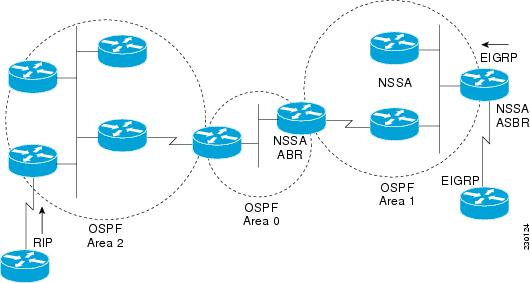
Dynamic Routing: Automatically adjusts to network changes using routing protocols such as OSPF, EIGRP, and RIP.
Router(config)# router ospf 1
Router(config-router)# network 192.168.1.0 0.0.0.255 area 0
 View Full Image
IPv6 Routing
IPv6 uses 128-bit addressing and eliminates the need for NAT. Routing in IPv6 is achieved with protocols like OSPFv3 and EIGRP for IPv6.
Router(config)# ipv6 unicast-routing
Router(config)# interface g0/0
Router(config-if)# ipv6 address 2001:db8:1::1/64
Router(config)# ipv6 route 2001:db8:2::/64 2001:db8:1::2
 View Full Image
Administrative Distance (AD)
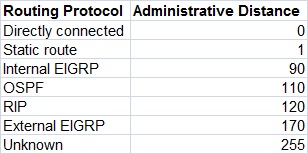
AD is the value assigned to routes to determine their reliability. Lower AD is preferred. If multiple routes to the same network exist, the one with the lowest AD is chosen.
- Directly Connected: 0
- Static: 1
- EIGRP: 90
- OSPF: 110
- RIP: 120
 View Full Image
Routing Table Lookup
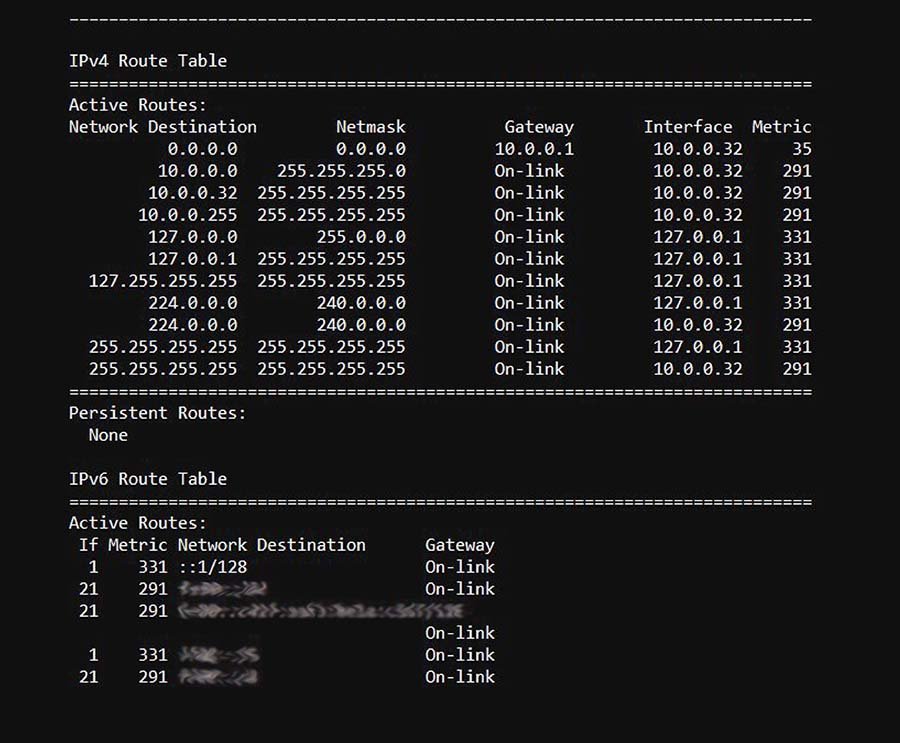
Routers use the routing table to determine where to forward a packet. The process uses the longest prefix match rule to select the most specific route.
Router# show ip route
 View Full Image