CCNA Chapter 6: Automation & Programmability
Network Automation Concepts
Network automation aims to reduce manual configuration through scripting, templates, and orchestration tools. It enhances consistency, reduces errors, and enables rapid deployments.
- Consistency: Applies uniform configurations across devices
- Scalability: Supports rapid scaling without manual effort
 View Full Image
Configuration Management Tools
Tools like Ansible, Puppet, and Chef enable Infrastructure as Code (IaC). They use YAML, Ruby, or Python to manage device configurations declaratively.
ansible-playbook configure-routers.yml
 View Full Image
APIs & RESTCONF
APIs (Application Programming Interfaces) allow external programs to interact with network devices. RESTCONF is a RESTful API standard used to retrieve and modify configurations.
GET /restconf/data/ietf-interfaces:interfaces
 View Full Image
Data Formats: JSON & XML
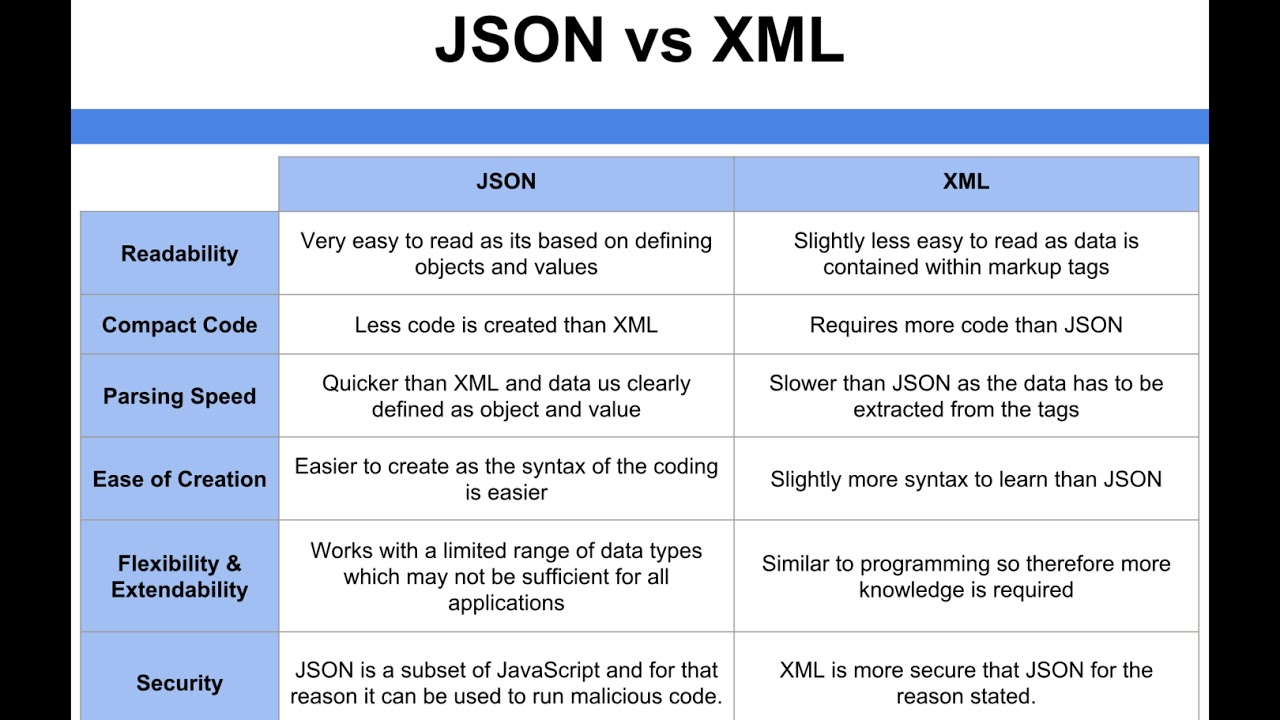
Network data is often exchanged in JSON or XML format for interoperability. JSON is lightweight and easier to read, while XML is more verbose but standardized for enterprise systems.
{
  "interface": {
    "name": "GigabitEthernet1",
    "description": "Uplink to ISP"
  }
}
 View Full Image
Software-Defined Networking (SDN)
SDN separates the control plane (decision making) from the data plane (traffic forwarding). This centralizes network control and allows programmability through controllers like Cisco DNA Center or OpenDaylight.
- Southbound APIs: Connect controller to devices (e.g., OpenFlow)
- Northbound APIs: Allow applications to communicate with the controller
 View Full Image
Summary Table
| Concept | Description |
|---|---|
| Ansible | Agentless automation tool using SSH and YAML playbooks |
| RESTCONF | REST-based API for configuring network devices |
| JSON/XML | Data formats for structured communication |
| SDN | Decouples control and data planes for network programmability |